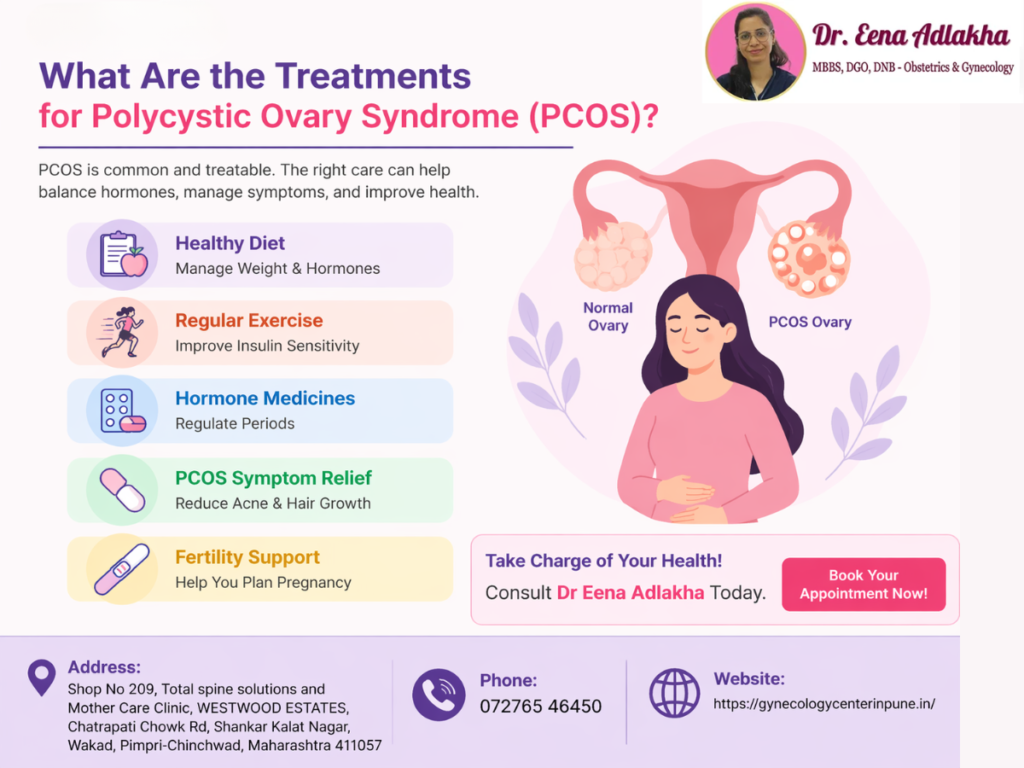
Polycystic Ovary Syndrome, or PCOS, is a common hormonal disorder that affects many women of reproductive age. It can cause a range of symptoms such as irregular periods, weight gain, acne, and difficulty getting pregnant. If you have been diagnosed with PCOS or suspect you may have it, don’t worry you’re not alone. As a Gynecologist in Wakad, I’ve helped many women understand and manage PCOS effectively, providing the support and care needed to navigate this condition and improve overall well-being.
PCOS is a condition that affects how a woman’s ovaries work. Women with PCOS have a hormonal imbalance that affects the development of eggs in the ovaries. This imbalance can lead to irregular menstrual cycles and problems with fertility. While the exact cause of PCOS is not fully understood it’s believed to be related to insulin resistance and genetics.
So, if you’re dealing with PCOS, you might be wondering about the treatment options. Don’t worry PCOS is manageable and with the right treatment plan, you can lead a healthy and fulfilling life. Let’s explore the most common treatments available for PCOS.
1. Lifestyle Changes: The First Step in Managing PCOS
Before jumping into medication or more invasive treatments making certain lifestyle changes can go a long way in managing PCOS. Here’s how you can get started:
- Diet and Nutrition: A balanced diet plays a huge role in managing PCOS. Eating whole foods like fruits, vegetables, lean proteins, and whole grains helps regulate insulin levels, which is important because insulin resistance is a common issue for women with PCOS. Limiting sugar and processed foods is key to managing weight and insulin levels.
- Exercise: Regular exercise is one of the most effective ways to manage PCOS. It helps control weight, improves insulin sensitivity and reduces the risk of heart disease. Aim for at least 30 minutes of moderate exercise most days of the week, whether that’s walking, swimming, or yoga.
- Weight Management: While not all women with PCOS are overweight, maintaining a healthy weight can help regulate your menstrual cycle and improve fertility. Even losing a small amount of weight can make a big difference in managing symptoms.
2. Medications to Manage Hormonal Imbalance
For many women with PCOS- lifestyle changes alone are not enough to manage the condition. Medications can play an important role in regulating hormones and addressing specific symptoms.
- Birth Control Pills: One of the most common treatments for PCOS is oral contraceptives (birth control pills). These pills help regulate the menstrual cycle, reduce acne and control excessive hair growth. They work by balancing estrogen and progesterone levels in the body.
- Metformin: Metformin is a medication that helps manage insulin resistance- a key factor in PCOS. It is commonly used to regulate blood sugar levels and improve ovulation. Metformin is often prescribed to women with PCOS who are trying to conceive.
- Progesterone: If your periods are irregular, your gynecologist may recommend progesterone therapy to help regulate your cycle. This can also help reduce the risk of endometrial cancer, which can be higher in women with PCOS due to infrequent periods.
- Anti-androgen Medications: PCOS is associated with high levels of androgens (male hormones) in the body. Anti-androgen medications like spironolactone can help reduce symptoms like excess facial and body hair, acne, and scalp hair thinning.
3. Fertility Treatments for Women with PCOS
One of the most common concerns for women with PCOS is difficulty getting pregnant. Since PCOS can interfere with ovulation, many women with the condition struggle with infertility. However, with the right treatments, pregnancy is possible.
- Ovulation Induction: Medications like Clomid or Letrozole are commonly used to help stimulate ovulation in women with PCOS who are trying to conceive. These medications help the ovaries release eggs- increasing the chances of pregnancy.
- Intrauterine Insemination (IUI): In some cases- IUI may be recommended. This procedure involves placing sperm directly into the uterus to increase the chances of conception, especially when ovulation is induced with medications.
- In Vitro Fertilization (IVF): If other treatments don’t work, IVF may be considered. During IVF, eggs are retrieved, fertilized in the lab, and then implanted into the uterus. IVF is a highly effective treatment for women with PCOS who are struggling with infertility.
4. Surgery for PCOS: Ovarian Drilling
In rare cases where other treatments have not been effective- surgery may be recommended. Ovarian drilling is a surgical procedure where small holes are made in the ovaries using a laser or heat. This can help restore normal hormone levels and improve the chances of ovulation.
However, surgery is typically considered only after other treatment options have been exhausted, and it is always important to discuss the risks and benefits with your Gynecologist in Wakad.
5. Managing Symptoms like Acne and Excess Hair
PCOS is often associated with excess facial and body hair (hirsutism) and acne. While these symptoms can be frustrating, there are treatments that can help.
- Hair Removal: Options like laser hair removal, electrolysis, or prescription creams can reduce unwanted hair.
- Acne Treatments: Over-the-counter acne treatments, as well as prescriptions for topical creams or oral medications like antibiotics, can help manage PCOS-related acne.
6. Emotional Well-being and Support
Living with PCOS can be emotionally challenging. Dealing with symptoms like weight gain, acne or infertility can affect your mental health. It’s important to seek emotional support, whether from loved ones, support groups or a therapist. Managing stress and finding ways to cope with the emotional side of PCOS is just as important as managing physical symptoms.
When to See a Gynecologist in Wakad for PCOS?
If you have irregular periods, excessive hair growth, difficulty conceiving, or other symptoms of PCOS, it’s a good idea to consult a Gynecologist in Wakad. Dr. Eena Adlakha offers expert care and personalized treatment plans to help you manage PCOS. Early diagnosis and treatment can reduce symptoms, improve fertility, and promote overall health.
Dr. Eena Adlakha
Book your appointment today to get expert care and support for managing PCOS.
Conclusion
PCOS is a common condition, but it can be managed with the right treatment. Whether you’re dealing with irregular periods, difficulty conceiving, or unwanted hair growth, there are treatments available that can help. Regular check-ups with a Gynecologist in Wakad like Dr. Eena Adlakha will ensure that you receive the care you need to live a healthy and fulfilling life. Don’t wait schedule your consultation today!

Dr. Eena Adlakha
Dr. Eena Adlakha Clinic, where women’s health is our priority. Dr. Eena Adlakha, a distinguished Gynecologist, Obstetrician, and Infertility Specialist, brings 17 years of experience (9 years as a specialist) in providing expert medical care with a patient-centric approach.
With advanced training in IVF and laparoscopy, Dr. Eena specializes in comprehensive women’s healthcare, from routine gynecological care to fertility treatments and high-risk pregnancy management.